A letter from Emily, Tenant Protections and Empowerment Associate
After five years at SV@Home, Emily Ann Ramos reflects on her work advancing tenant protections, building community partnerships, and empowering residents through education and advocacy. As she prepares to leave the organization, she shares lessons learned, gratitude for her colleagues and community partners, and her unwavering commitment to the ongoing fight for housing justice.
Over the past five years at SV@Home, I’ve learned that passing a good policy is only the beginning. What matters just as much is whether people know their rights, whether communities have the power to advocate for themselves, and whether our efforts actually help people stay in their homes.
I learned that lesson almost immediately. When I joined SV@Home, we were in the middle of the COVID-19 pandemic. It was a scary time, especially for renters who were already struggling to make ends meet. Eviction moratoriums were changing constantly, rental assistance programs were being rolled out, and sometimes new rules were announced with barely enough time for anyone to understand them before they took effect. For tenants facing additional vulnerabilities, the consequences of not having accurate information could be devastating.
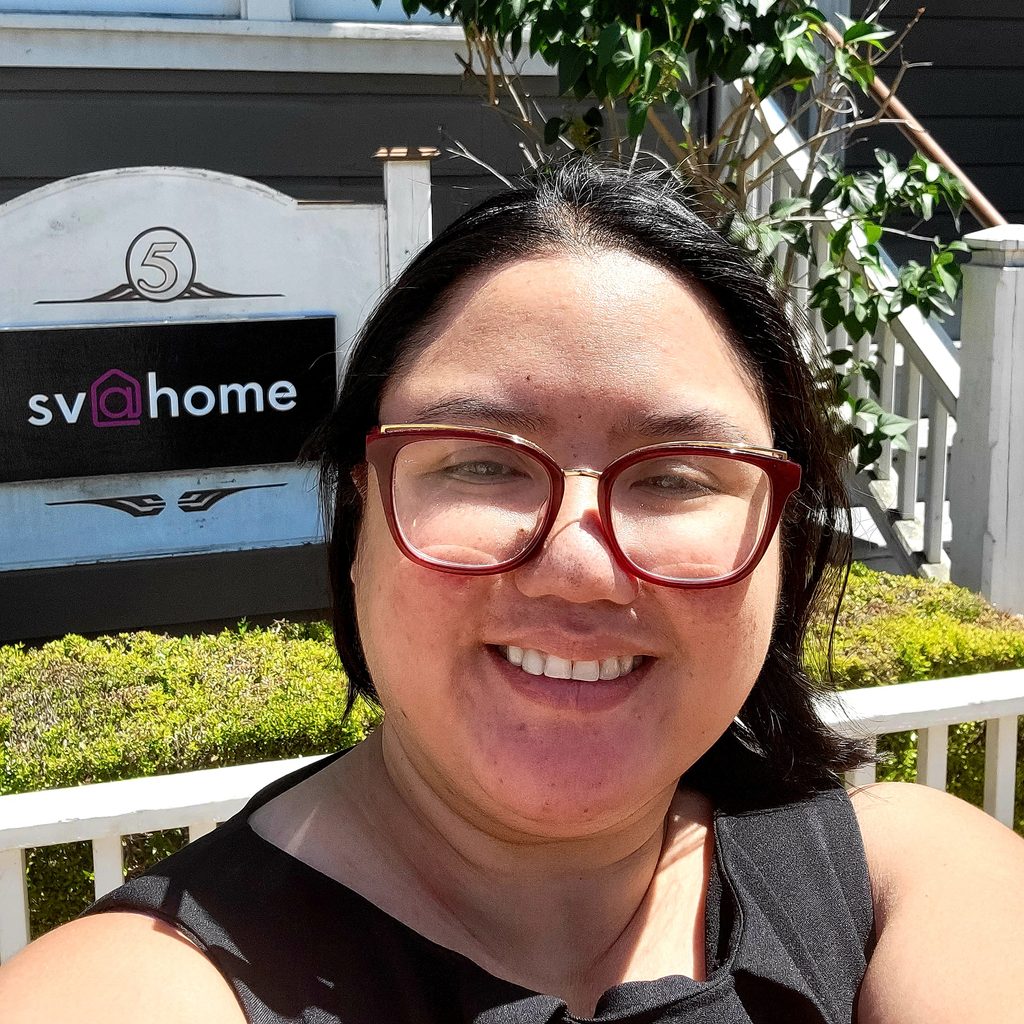
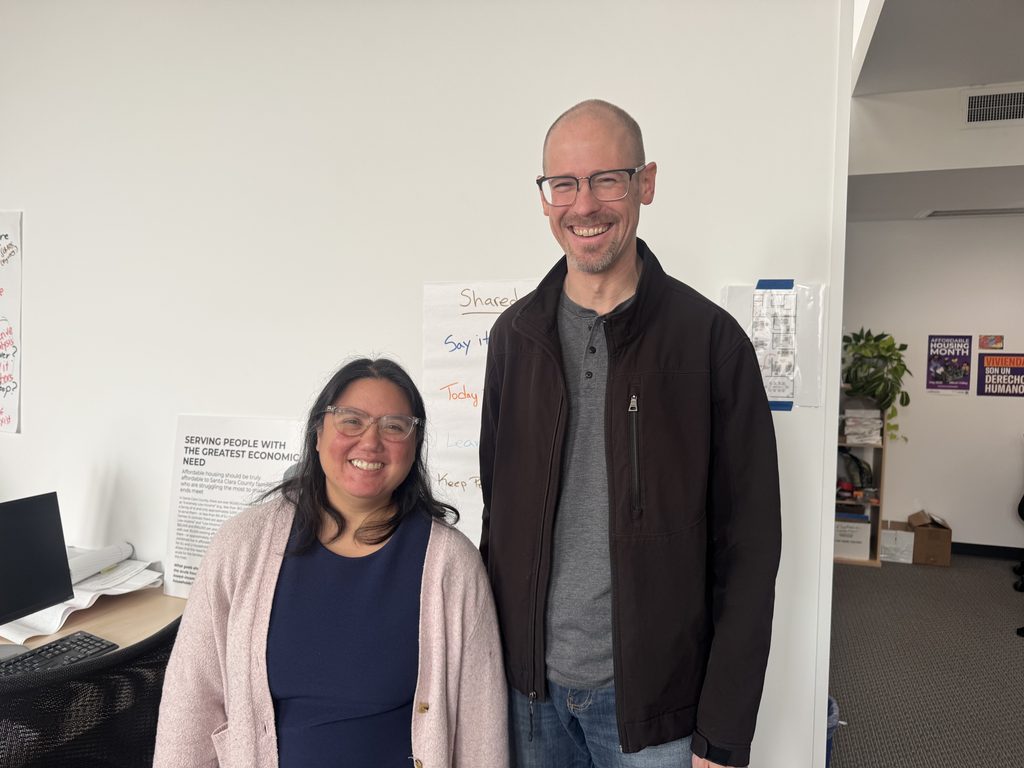
Photo: Emily’s first day at SV@Home
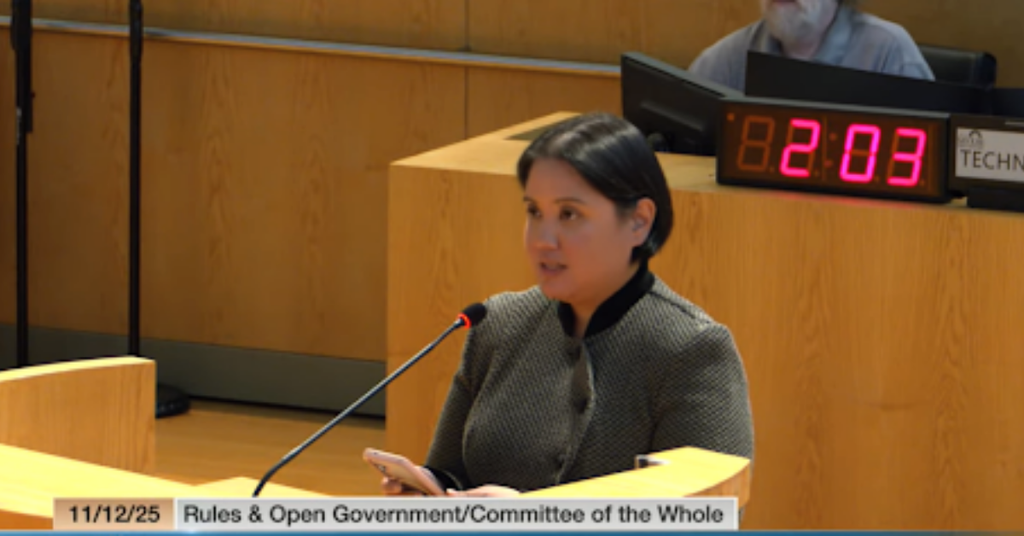
At the time, I was also serving on Mountain View’s Rental Housing Committee and on the board of a local Emergency Assistance Network organization helping families access rental assistance. Between these roles and my work at SV@Home, I saw how the decisions being made by governments translated into real challenges for renters and the organizations trying to help them. I also saw how easily people could fall through the cracks, not because help or protections didn’t exist, but because they didn’t know about them, couldn’t access them, or didn’t know who to trust.
A big part of my early work at SV@Home was figuring out how to get information to people as quickly, clearly, and widely as possible. We were constantly trying to keep up with changing laws, explain what they meant, and connect people with resources before it was too late. When people were understandably fearful or mistrustful of government, working with trusted community partners was especially important.
But our work didn’t end when the immediate pandemic emergency subsided. The housing affordability and displacement crises were here long before COVID-19, and they continue today.
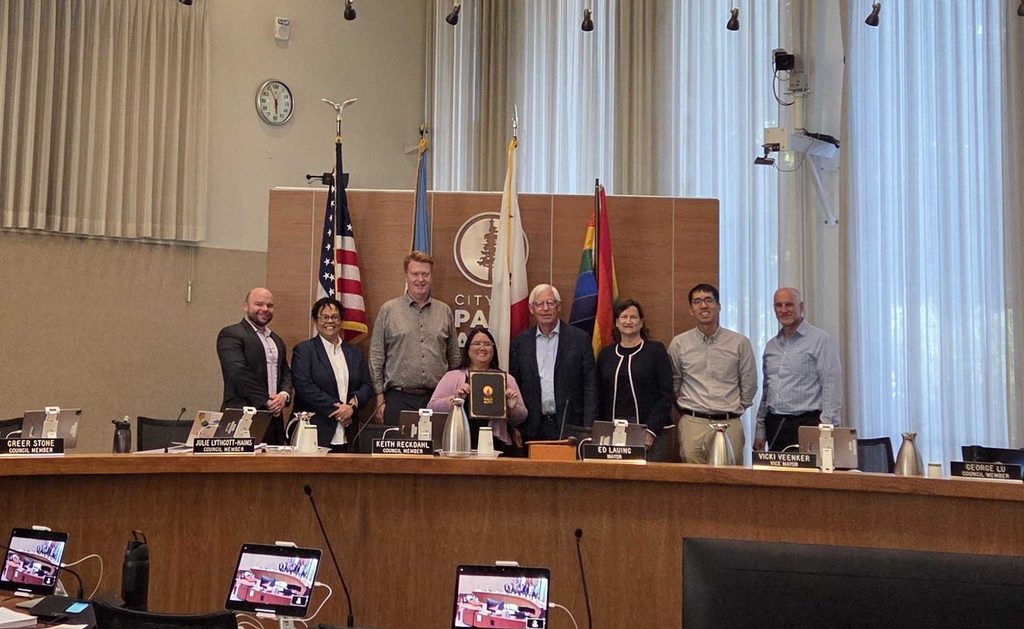
One of the efforts I’m particularly proud of is our work in Palo Alto. Alongside community partners, renters, and local advocates, we pushed for a comprehensive set of tenant protections. Over the years, Palo Alto has adopted several important policies, with additional proposals still under consideration. This progress didn’t happen overnight. It took sustained advocacy, relationship-building, and a willingness to keep pushing even when change seemed unlikely.
That experience also helped inform our advocacy in other cities. We developed and shared a menu of recommended tenant protection policies to encourage jurisdictions to strengthen their Housing Elements and meet their obligations to affirmatively further fair housing. We wanted cities to recognize that addressing our housing crisis isn’t just about how many new homes we build, but also about whether the people already living in our communities can afford to stay.
Just as important as advocating for stronger policies has been building the relationships, knowledge, and collective power needed to make lasting change.
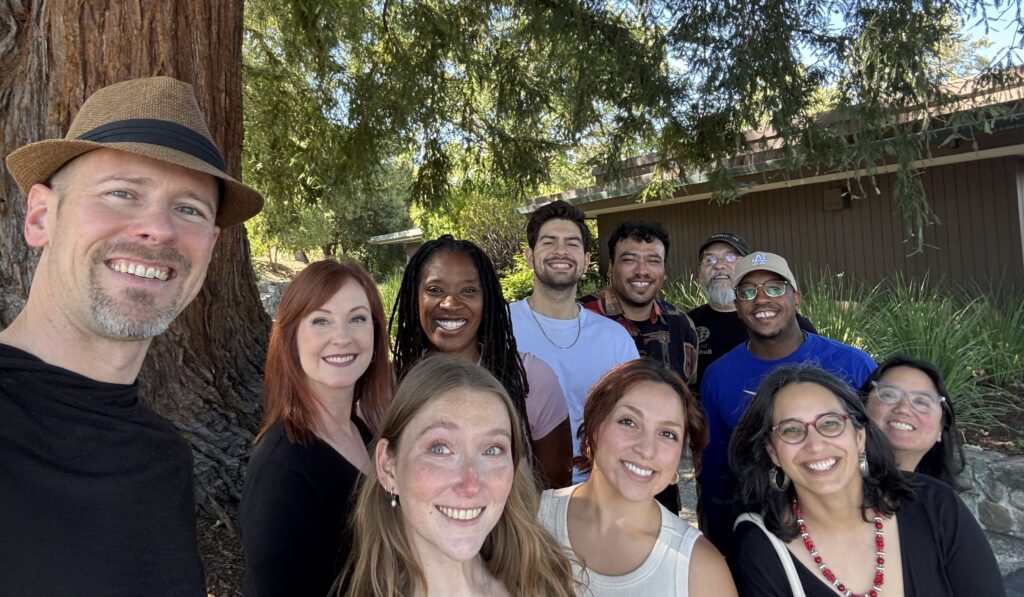
As part of my work with SV@Home, I’ve been fortunate to work alongside dedicated community advocates through the REAL (Race, Equity, Action and Leadership) Coalition’s Housing Justice Working Group, the Gilroy Housing Coalition, and the Anti-Displacement Coalition in San José. These partnerships have reinforced the importance of racial equity in housing justice and the need for the people most affected by housing insecurity to have a meaningful voice in shaping solutions. Our role as advocates isn’t just to speak on behalf of communities, but to support and amplify the leadership already within them. Some of the most meaningful work happens long before a policy reaches a City Council agenda, through the relationships, trust, and collective determination that make change possible.
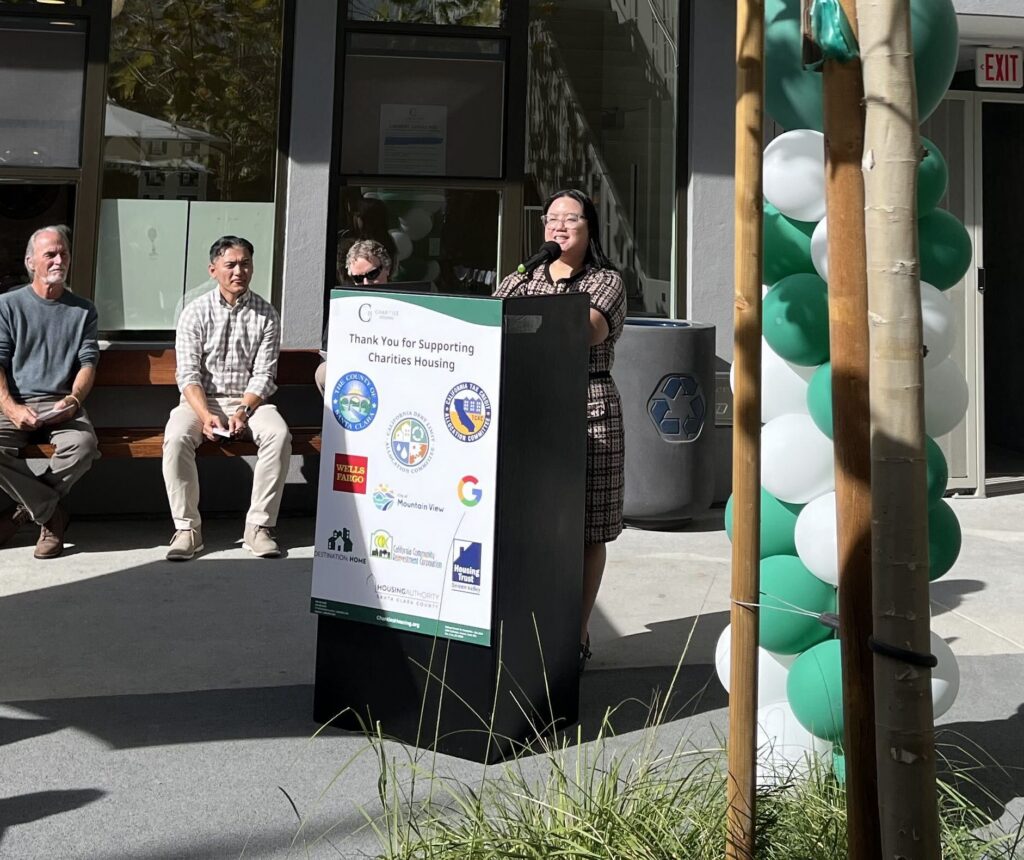
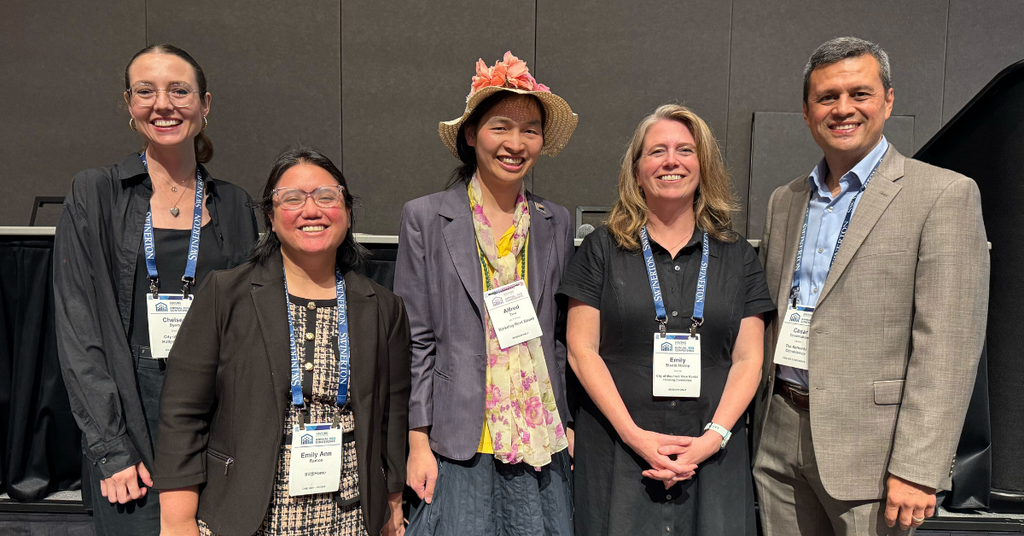
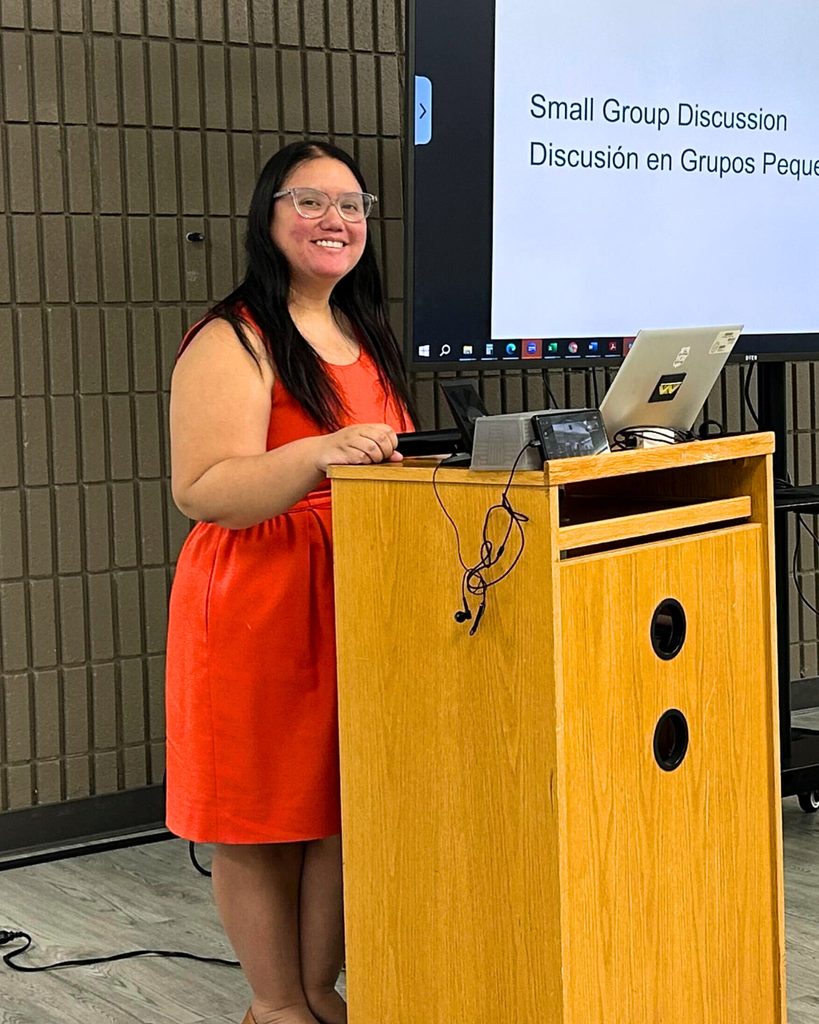
Education has also been a particularly important part of my work. I’ve developed and led trainings on tenant protections for civic leadership fellows, candidates, and community leaders, and participated in panels to share lessons from our advocacy. These opportunities have allowed me to make complicated housing policies more understandable and accessible, while helping equip others with the knowledge and confidence to advocate for themselves and their communities.
Throughout my time at SV@Home, one belief has only grown stronger: tenants are not temporary members of our communities. They are our neighbors, coworkers, friends, families, volunteers, and community leaders. They help make our cities what they are. When people are displaced, we lose more than housing stability. We lose relationships, connections, and the people who make our communities vibrant.
It’s this belief, and the people I’ve had the privilege of working alongside, that makes leaving SV@Home so difficult.
As much as I love my work at SV@Home, I’ve had to make the decision to step away. California’s conflict-of-interest rules have created circumstances in which continuing my employment could limit my ability to participate in important decisions as an elected official. SV@Home has been incredibly supportive throughout this process, and I remain deeply grateful for the opportunity to have been part of this team.
While I wish the circumstances were different, I’m incredibly grateful for these five years. I’ve had the opportunity to work alongside extraordinary colleagues, advocates, community organizers, and residents who refuse to accept that displacement and housing insecurity are inevitable.
The challenges ahead are significant. Housing costs remain out of reach for too many people, tenants continue to face displacement, and too many communities still struggle to have their voices heard in decisions that shape their futures.
But I’ve also seen what happens when people organize, build relationships, and refuse to give up. Progress isn’t always quick, and it certainly isn’t always easy. Sometimes we win important protections. Sometimes we fall short. But every campaign, every coalition, and every person willing to speak up helps move us forward.
We must continue building more housing, preserving the affordable homes we have, and protecting the people who already call our communities home. These efforts aren’t competing priorities. They’re all essential to creating a region where everyone has the opportunity to thrive.
To my SV@Home colleagues and all the community partners I’ve worked alongside: thank you for your friendship, your trust, your determination, and your willingness to keep showing up. You’ve made me a better advocate and a better public servant.
My time at SV@Home may be coming to an end, but my commitment to housing justice isn’t going anywhere. I’ll carry the lessons, relationships, and experiences of these five years with me wherever this work takes me next.
There is still so much to fight for, and I’m not done fighting.
With gratitude and determination,
Emily Ann Ramos
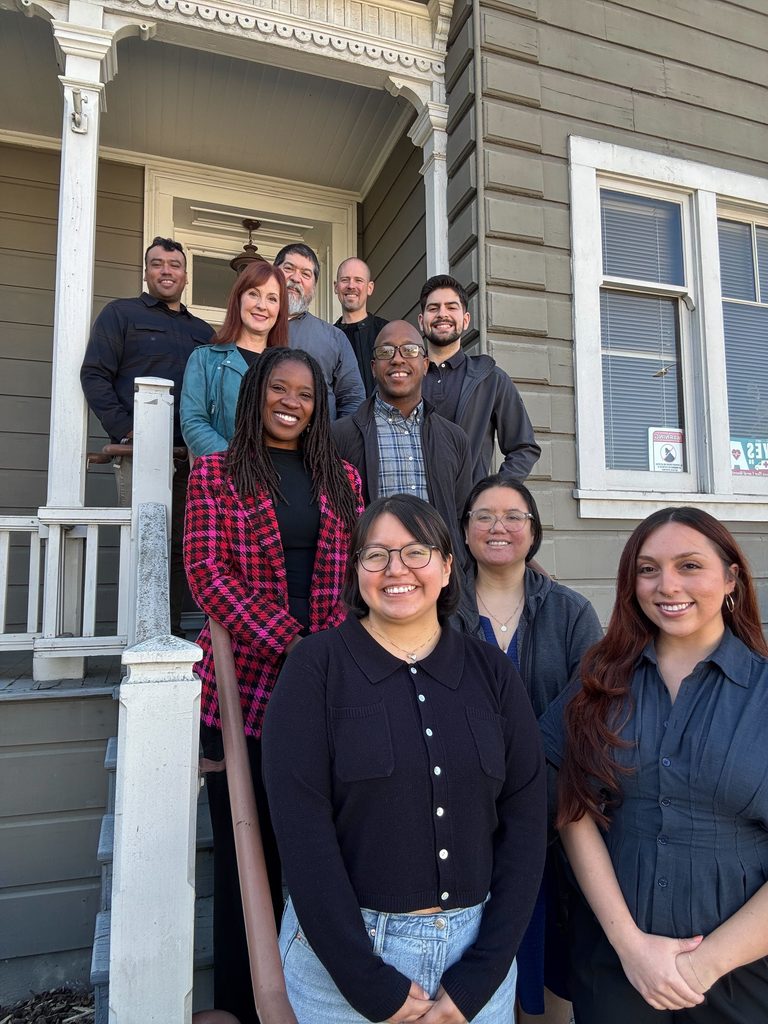
Emily has been at the heart of our tenant protections work and has built strong partnerships across Santa Clara County. Her commitment to housing justice and to homes that are affordable for everyone has made a lasting mark on our organization and on the communities we serve.
We are deeply sad to see her go after 5 years with us. We are grateful for everything she has built with us, and we will be cheering her on in what comes next.