The City of San José has begun updating its General Plan, the document that guides how the city grows and develops over time. This presents a real chance for the future growth we need, but only if the Task Force and Council seize the opportunity for bold action.
We invite you to join us on Friday, August 7th from 9:30-11am at the SV@Home office for Policy & Pastries, an informal monthly event. This month, we will be discussing the opportunities presented by the ongoing General Plan 4-Year Review in San Jose. RSVP here.
The City of San José has begun updating its General Plan, the document that guides how the city grows and develops over time. As part of the Envision San José 2040 General Plan, the City conducts a review every four years to assess progress toward key goals and make targeted updates where needed.
This phase of the review process is happening in public meetings of the Envision San José 2040 Task Force (a role filled by the Planning Commission), which will make recommendations to the City Council. The last Task Force meeting is scheduled for Wednesday June 17th from 6:30-8:30 pm, when the Task Force will consolidate around final recommendations to the City Council. Council is scheduled to consider the Task Force’s recommendations on August 18th.
The current review is intended to focus on a limited set of topics and potential changes that align with the scope of work approved by the City Council. The work of the General Plan Review supports the completion of several programs from the City’s Housing Element, a state-required plan for the City to meet the housing needs of its residents at all income levels, and plan for future growth.
We are especially excited about two opportunities in the scope of the Task Force, and one urgent opportunity that is slightly beyond the scope but complements it.
Residential Capacity and Missing Middle/ Small Multifamily
The City of San Jose needs to increase its residential capacity in order to both make space for current residents and accommodate new growth. Residential capacity refers to the number of homes our land use regulations allow. Since the vast majority of San Jose’s residential land (94%, according to a 2019 New York Times analysis) is set aside only for single-family housing, the City must both change its density and the types of housing allowed. The City is responsibly using the General Plan Review process to prepare for the next Housing Element cycle.
Increasing density in neighborhoods zoned for single-family housing is key to allowing neighborhood-scale (often referred to as missing middle) or small multifamily housing. Missing Middle Housing is essentially house-scale buildings with multiple units in walkable neighborhoods. They are compatible in scale and form with detached single-family homes and include duplexes, fourplexes, cottage courts, courtyard buildings, among others.
(Image Source: Opticos Design, Inc.)
They are considered “missing” because they have typically been illegal to build since the mid-1940s and “middle” because they sit in the middle of a spectrum between detached single-family homes and mid-rise to high-rise apartment buildings, in terms of form and scale, as well as number of units and often, affordability.
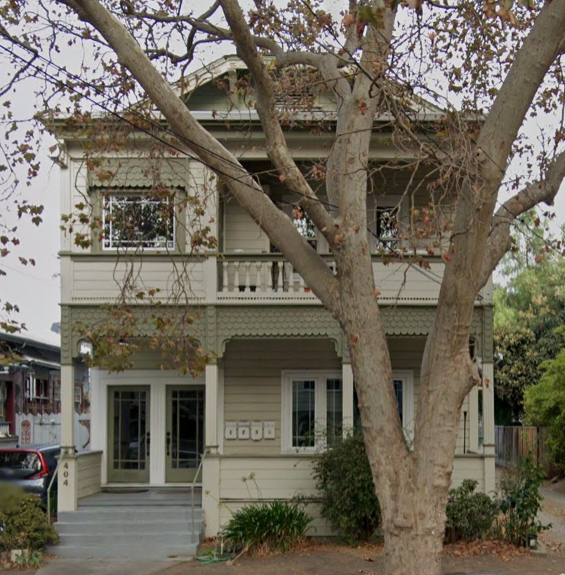
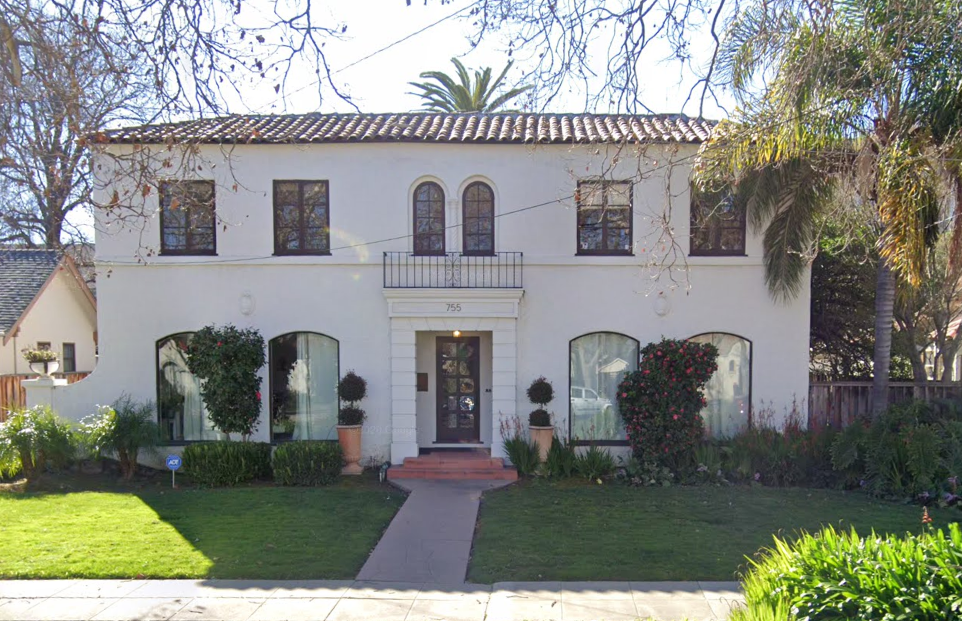
Staff initially recommended that the Task Force consider increasing the density of land zoned for single-family housing from 8 dwelling units per acre (du/ac) up to 16 du/ac, a density already present in many of our historic neighborhoods. However, a density of about 32 du/ac is needed to allow four homes on a 6,000-square-foot parcel, which represents the majority of parcels in areas zoned for single-family housing. The Task Force recommended an increase in density in single-family-zoned areas to 32 du/ac in order to allow missing middle housing types, such as those already common in San Jose’s older neighborhoods (images below both show fourplexes on North Second St. in San Jose).
SV@Home supports this increase in density to support incremental growth throughout the city and allow a greater variety of housing types to meet a diversity of housing needs.
Urban Village Streamlining
Urban Villages are identified growth areas intended to provide active, walkable, bicycle-friendly, transit-oriented, mixed-use urban settings for new housing and job growth, attractive to an innovative workforce and consistent with the General Plan’s environmental goals. Each Village must have an adopted plan before residential projects can be allowed, with the exception of 100% affordable housing developments and Signature Projects (large mixed-use projects that meet a specific set of requirements).
The General Plan designates 62 Urban Villages, but because it also stipulates a customized, complex, and lengthy planning process for each one, only 16 plans have been adopted (with 2 more in progress) since the General Plan was approved in 2011. Notably, City staff prioritized the largest Urban Villages, so 43% of the total Urban Village land area is within an approved plan.
In order to streamline the planning process for Urban Villages, staff recommends an approach to:
- Consolidate Transit Corridor Urban Village plans.
- Streamline the Neighborhood Urban Village planning process.
- Use a defined outreach process for the conventional Urban Village planning process.
- Simplify Urban Village plan documents.
SV@Home supports the streamlining and simplification of the Urban Village planning process to provide more opportunities for homes at all income levels, in the places that are best for concentrated growth.
Public/Quasi-Public Lands: Empowering School & Faith Communities
The Task Force has also expressed interest in exploring issues that, while outside its immediate scope, are deeply connected to the long-term health and affordability of San José. We believe one such issue deserves urgent attention: the future of public school and faith-owned land. Most of these properties carry a Public/Quasi-Public (PQP) General Plan designation, yet both school districts and faith communities are confronting profound demographic shifts that are reshaping how their land is used and what their communities need.
Public elementary school enrollment in San José has fallen by 27 percent—nearly 18,000 students—in the decade leading up to 2025. School districts are making difficult decisions, in partnership with their communities, to close and consolidate schools in response. While declining birth rates are one factor, the loss of families with children due to rising housing costs and displacement is also contributing to enrollment declines. Put simply, many schools are serving fewer students because fewer families can afford to live in San José.
This reality creates an opportunity to address both the symptom and the cause. As districts evaluate underutilized or surplus properties, they should have the flexibility to leverage those sites to create the housing and community-serving uses that help families remain in San José. Family housing, affordable housing, childcare, and neighborhood services can strengthen communities while also helping stabilize future school enrollment. In this way, school-owned land can become part of the solution to the very challenges driving school closures.
However, the current PQP framework limits the ability of school districts and faith communities to pursue these outcomes. Restrictive land use rules create barriers to redevelopment and can leave institutions with few viable options beyond selling land outright. Expanding permitted uses would provide a clearer path to retaining ownership, generating ongoing revenue, meeting community needs, and preserving the role of schools and faith institutions as long-term community anchors.
The need for action is growing increasingly urgent. Enrollment declines and changing demographics are placing mounting pressure on school districts and faith communities throughout San José, and additional closures are likely in the years ahead. The City should ensure these institutions have the tools necessary to respond thoughtfully and strategically.
SV@Home urges the Task Force to recommend that Council direct staff to expand permitted uses across all public school and faith-owned sites, except those located in high fire risk areas. Doing so would preserve local discretion while giving school districts, faith institutions, and communities the flexibility to determine together how these properties can best serve San José’s evolving needs for generations to come.
View SV@Home’s letter to the Task Force on the urgency of PQP reform for school lands.
View SV@Home’s letter in partnership with a team of consultants on adaptive reuse.