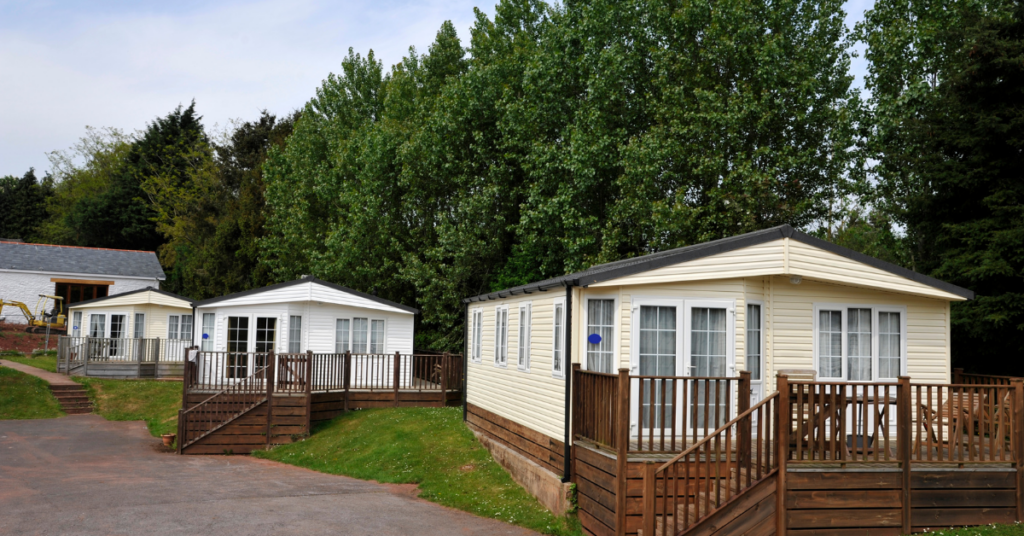
Right now, San José is doing community outreach about proposed changes to its Mobilehome Rent Ordinance, slated for Council consideration in December. Potential changes include creating an annual rent registry, establishing new resident petition and administrative appeal processes, and allowing additional space rent increases when a mobilehome is sold.
On January 27 of this year, San Jose Housing staff presented a number of changes to the city’s Mobilehome Rent Ordinance (MRO) to the city council. Following hours of public comment in opposition to the proposed changes, Council directed staff to conduct more community engagement and return with recommended changes in December 2026.
Following the City Council’s direction and subsequent revisions, four major changes remain under consideration: creating an annual mobilehome rent registry, establishing a resident petition process, creating an administrative appeal process for petition decisions, and allowing an additional space-rent increase when a mobilehome is sold.
Creating a Mobilehome Rent Registry
One of the proposed changes would expand San José’s registration requirements to create an annual rent registry for mobilehome parks.
Under the proposal, park owners would annually report information including the monthly rent for each space, whether the resident owns or rents the mobilehome, and whether ownership of the mobilehome changed during the previous year. The registry would not collect residents’ personal information.
Currently, the City has limited information about individual mobilehome space rents and generally learns about potentially impermissible increases when a resident contacts the City. The proposed registry would give the City data to track rents and ownership changes over time and help monitor compliance with the MRO. This registry would be similar to the one the city already has for the Apartment Rent Ordinance (ARO).
A New Petition Process for Residents
The proposal would also establish a formal process for mobilehome residents to challenge rent increases.
Currently, park owners can file a Fair Return petition seeking permission to increase rents above the amount normally permitted by the MRO. Mobilehome residents, however, do not have an equivalent City petition process to challenge a rent increase they believe violates the ordinance.
Under the proposed resident petition process, a resident could file a petition with the City and have the dispute reviewed by a hearing officer. A decision by the hearing officer, or an agreement reached between the resident and park owner through the process, would be enforceable by the City.
Adding an Administrative Appeal Process
The City is also proposing a new administrative appeal process for decisions involving both resident petitions and park-owner Fair Return petitions.
Currently, after a hearing officer issues a decision on a Fair Return petition, challenging that decision generally requires going to Superior Court. Under the proposal, either party could first appeal portions of a hearing officer’s decision to the Housing Director.
The Housing Director could uphold the decision or return the appealed portion to the hearing officer for reconsideration. Parties would retain the ability to challenge the final decision in Superior Court.
Other rent stabilization programs use different models for administrative appeals. In Mountain View, for example, decisions by hearing officers under the city’s mobilehome rent stabilization program can be appealed to the Rental Housing Committee, the appointed body responsible for administering the city’s rent stabilization ordinances.
What Would Happen to Space Rent When a Mobilehome Is Sold?
Perhaps the most notable proposed change concerns what happens to space rent when ownership of a mobilehome changes.
Under San José’s current MRO, the sale of a mobilehome generally does not allow the park owner to impose an additional increase on the space rent paid by the new homeowner. The rent continues to be governed by the MRO’s annual increase limits.
The Housing Department is proposing to allow an additional increase following certain sales to new owner-occupants. Under the City’s current proposal, the maximum post-sale increase would be phased in over three years: up to 5% in the first year, 7% in the second year, and 10% beginning in the third year. After the post-sale increase, the new homeowner’s future increases would again be governed by the MRO’s regular annual limits.
Housing staff has said the change is intended to provide park owners with an additional source of revenue to address increasing operating and infrastructure costs. Staff has also stated that allowing limited increases when homes change ownership could reduce reliance on Fair Return petitions that can result in rent increases affecting existing residents throughout a park.
Certain transfers, including qualifying transfers to family members and estate transfers protected under state law, would not trigger the additional increase.
The proposal would represent a significant change from San José’s existing vacancy-control policy. Because mobilehome residents typically own their homes but rent the land underneath them, increases in space rent can affect both the affordability of the space for a new buyer and the value of the mobilehome being sold. This means a post-sale rent increase can have implications for both the incoming homeowner’s monthly housing costs and the existing homeowner’s ability to sell their home.
How Does San José Compare to Other Cities?
Mobilehome vacancy-control policies vary considerably across Santa Clara County. Because mobilehome space rents are not subject to the Costa-Hawkins Rental Housing Act’s vacancy-decontrol requirements, local jurisdictions can limit how much space rent increases when ownership of a mobilehome changes.
| City | Additional Space Rent Increase Upon Turnover |
|---|---|
| Campbell (MOU) | 15% or 10% depending on Base Rent |
| Gilroy | No limit on increases upon turnover |
| Los Gatos | Greater of $488.00 + 100% CPI or seller’s rent + $25.00 |
| Mountain View | 100% of CPI |
| Milpitas | No additional increase allowed |
| Morgan Hill | No additional increase allowed |
| San Jose (current) | No additional increase allowed |
| San Jose (proposed) | Up to 5%, then 7%, then 10% as the policy phases in |
| Sunnyvale (MOU) | 5% before the 1st year, 10% after the 1st year, 15% after the 2nd year |
What’s Next?
The Housing Department is continuing community engagement before bringing updated recommendations back to the City Council. The City has held a series of meetings, office hours and surveys on the proposals, with additional meetings scheduled this fall. The council specifically directed staff to conduct additional engagement with mobilehome residents and park owners before returning with proposed changes.
The Housing Department currently expects to bring its final report and recommendations to the City Council in December 2026. You can view more information on the proposal and a list of community engagement meetings on the city’s website.
SV@Home will continue to follow the process and provide updates as the City considers changes to its Mobilehome Rent Ordinance.
The Original January 2026 Staff Proposal, Now No Longer Under Consideration
The original January 2026 staff memo proposed the following changes:
- Add a mobilehome resident rights petition process to resolve rent disputes;
- Expand mobilehome park rental registration requirements;
- When a mobilehome is sold, permit a one-time 10% rent increase;
- Remove the exemption for leases longer than 12 months and outdated provisions to conform with changes in state law;
- Add a limited added benefit capital improvement petition process for landlords;
- Streamline the ordinance and the program regulations, separating policy and
- procedure; and
- Add an administrative appeal process for petition decisions.