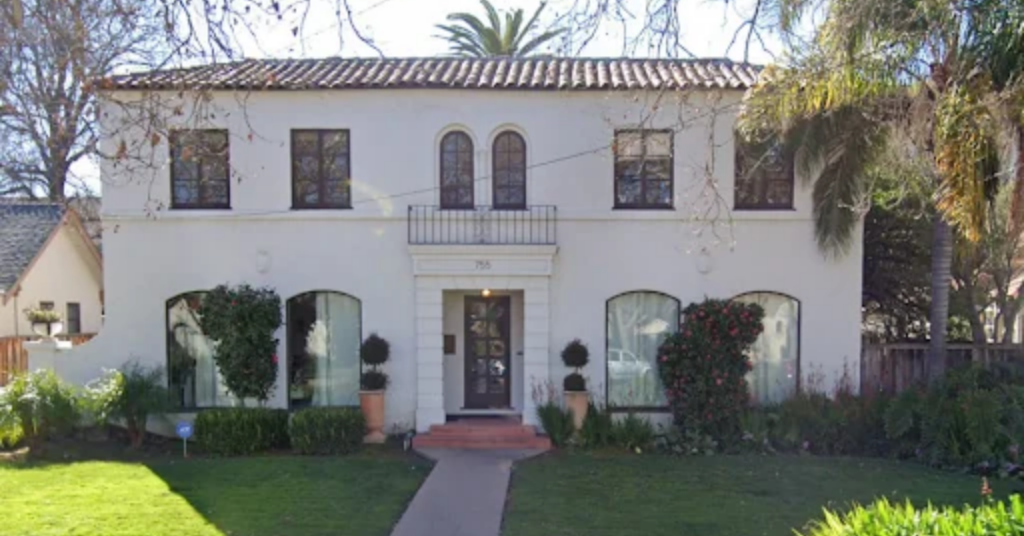
San José has an opportunity to make room for more of the homes our community needs—including smaller-scale, lower-cost options that can help more people become homeowners and expand housing choices in high-opportunity neighborhoods. But with Council’s direction to staff on August 18th and October 20th, the City’s commitment to this type of housing is at risk.
San José’s Housing Element includes Program P-35: Small Multifamily Housing, which calls for allowing homes with four to 10 units in neighborhoods throughout the city, including high-opportunity areas. These “missing middle” homes, such as duplexes, fourplexes, and small apartment buildings, can add housing in established neighborhoods and create more attainable options for people who may be priced out of traditional single-family homes. The California Department of Housing and Community Development (HCD) specifically highlighted P-35 when certifying San José’s Housing Element and said it would closely monitor the program’s implementation.
Instead of moving toward implementation, however, City Council’s August and October 2026 directions have raised concerns about new barriers to building these homes. In August, Council directed staff to add new parking requirements and study additional restrictions for homes where state law does not prohibit parking minimums. Many of these constraints would mostly or entirely affect high-resource neighborhoods—the very places where P-35 is intended to expand housing opportunities.
On October 20th, as the Council reprioritized the work plan of the Planning, Building, and Code Enforcement Department (PBCE), they had the opportunity to remove these barriers. Instead, they added a new one, by directing staff to explore lower allowable densities in areas farther from transit- which are also generally highest in access to opportunity.
These requirements could make small multifamily projects more expensive, reduce the number of homes that can fit on a property, and delay implementation. They also raise concerns about compliance with the City’s adopted Housing Element and its obligation under state law to Affirmatively Further Fair Housing (AFFH) by addressing barriers to housing choice and expanding access to opportunity.
The timing matters. San José is three years into its eight-year Regional Housing Needs Allocation (RHNA) cycle but has permitted only 9% of its total housing goal. The City should be prioritizing practical steps to expand housing capacity—not adding layers of study and regulation that could make homes harder to build.
SV@Home and partners have urged the City Council to remove barriers to implementing the Small Multifamily Housing program by accepting the recommendation of the Planning Commission to direct implementation of 32 homes per acre in R-1 zones citywide and retracting directions that create new constraints on small multifamily housing.
This approach offers three benefits: it frees up staff capacity for other priorities, reduces the City’s legal risk, and advances housing goals by opening more neighborhoods to attainable homes and homeownership opportunities.
Missing-middle housing is about more than adding units. It is about creating more ways for people to remain in San José, and ensuring that opportunity is not limited to the neighborhoods where housing is already easiest to build. SV@Home and partner organizations are continuing advocacy efforts to remove barriers and create a program that can deliver real results for San Jose’s residents.