San Jose: Join Us August 13th to End Source of Income Discrimination, and Upcoming Ways to Stand Up for Affordable Housing
This Fall, the San Jose City Council will be considering a number of important housing policy issues that impact the production of new affordable housing, the preservation of existing affordable housing, and the protection of our most vulnerable community members. These issues range from ending discrimination against low-income renters to raising money to finance affordable […]

Policy Rundown – June 20th, 2019
Welcome to SV@Home’s Policy Rundown, your need-to-know overview of important housing policy actions and developments from the past two weeks: At its June 11th meeting, the San Jose City Council considered and approved the scope of the General Plan Four Year Review, which included a range of important housing proposals. One major idea came from […]

Policy Rundown – May 22nd, 2019
Welcome to SV@Home’s Policy Rundown, your need-to-know overview of important housing policy actions and developments from the past two weeks. On May 7th, the Cupertino City Council voted 4-1 to adopt referenda that repeal the Vallco Town Center Specific Plan, General Plan Amendment, and Development Agreement, instead of putting the referenda to a public vote. […]
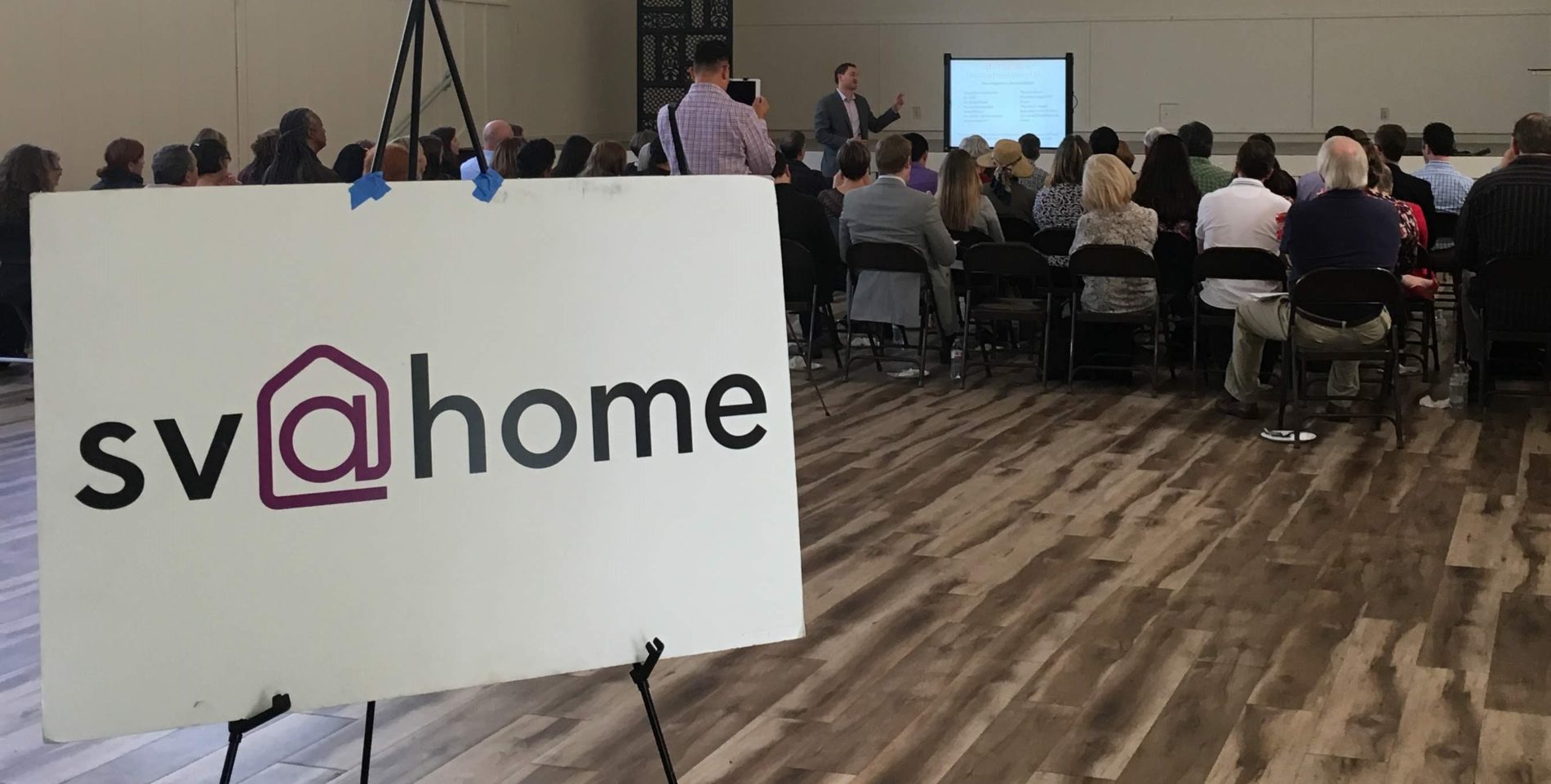
County of Santa Clara: Big crowd Weighs in on Stanford Community Benefit Agreement
On Thursday, November 29th, the Santa Clara County Board of Supervisors hosted its first community outreach meeting to gather input on a potential community benefits to accompany approval of a 17-year General Use Permit for growth on Stanford University Campus. The opportunity for expanded community benefits would come with a negotiated Development Agreement between the […]
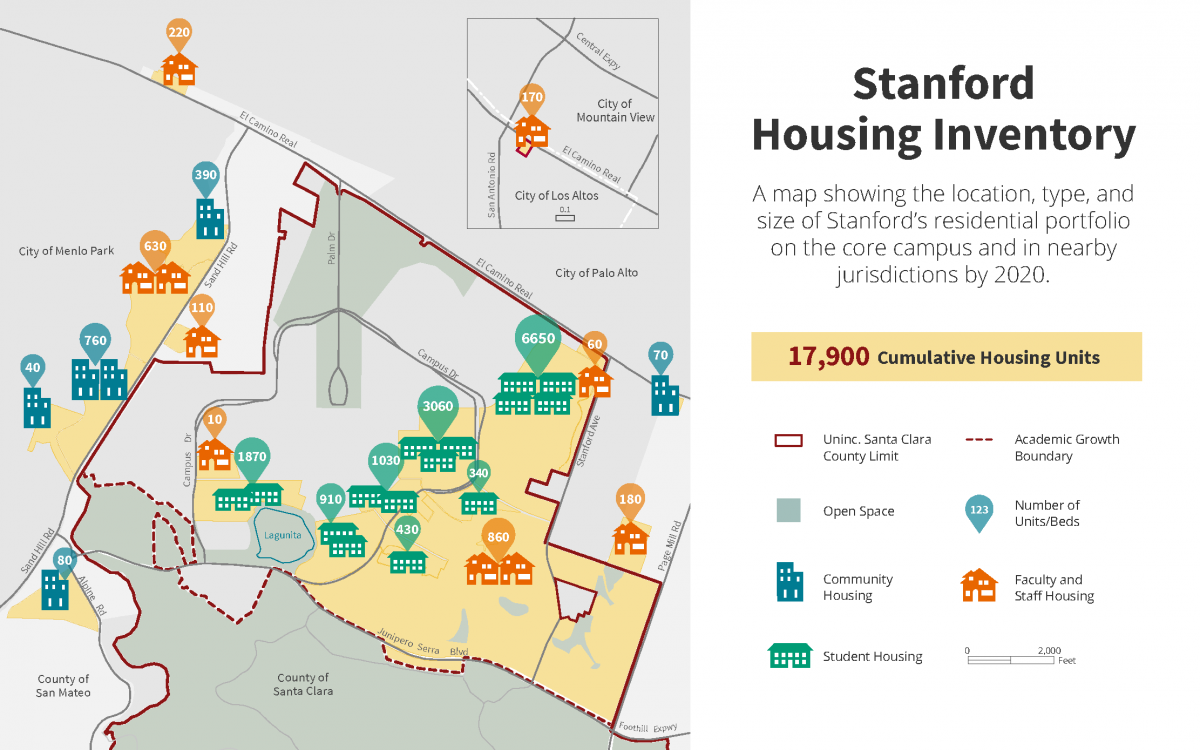
County of Santa Clara: Board of Supervisors Agrees to Negotiations With Stanford
Last Tuesday, the Santa Clara County Board of Supervisors voted unanimously to begin conversations with Stanford University to come to terms on a development agreement that would mitigate the impact the University’s planned campus expansion will have on the need for housing in nearby communities. Over the next 17 years, under a new General Use […]

Santa Clara: Tasman East Plan Should Maximize Density Without Sacrificing Affordability
On Tuesday, September 18th, the Santa Clara City Council held a Study Session on the proposed Tasman East Specific Plan, which would bring 4,500 new homes to the area north of Tasman Drive at Lick Mill Boulevard. SV@Home is excited by the opportunity provided by this transit-oriented development which would include a significant number of […]
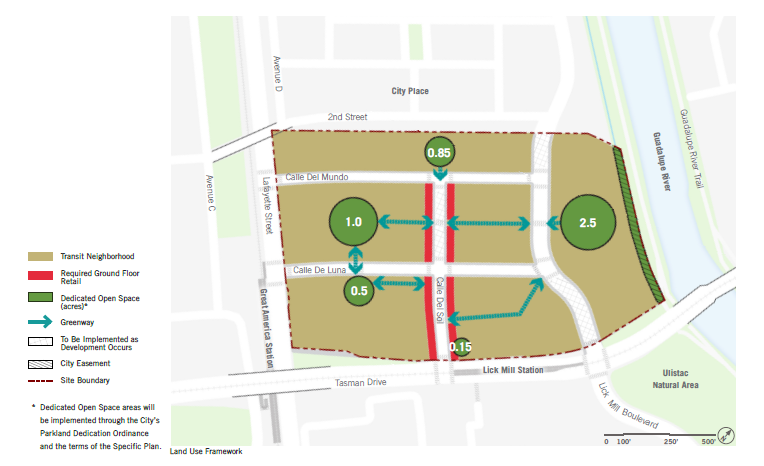
Santa Clara Seeks 4,500 Homes at Tasman East
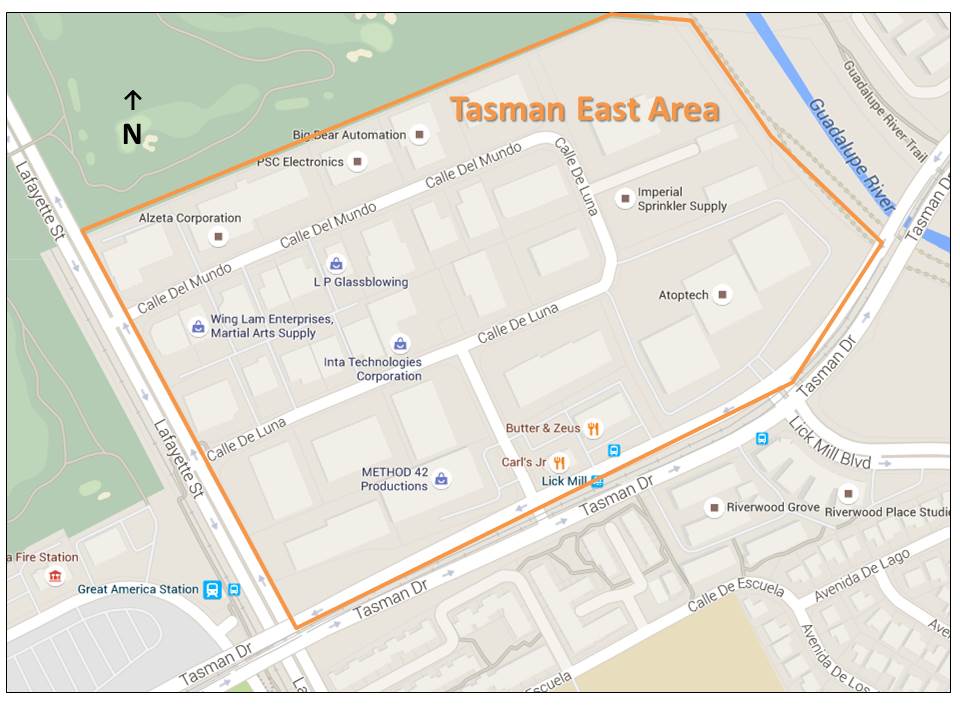
The Santa Clara City Council held a study session to discuss the Tasman East Specific Plan on June 26th and is actively considering options to increase the density of the mixed-use area to accommodate up to 4,500 new homes. (Check out the map, and staff report.) With 17 of the 45 acres planned for streets and parks, […]
Milpitas Approves Increased Inclusionary Requirements
On Tuesday June 12th , the Milpitas City Council took action to approve a 15% inclusionary requirement for new rental and for-sale housing, an increase of 10% over current requirements. At the same meeting, the Council deferred action on a new Commercial Linkage Fee (CLF) pending additional outreach to the development community. Milpitas participated in […]

Mountain View City Council Raises Inclusionary Zoning Percentage to 15%
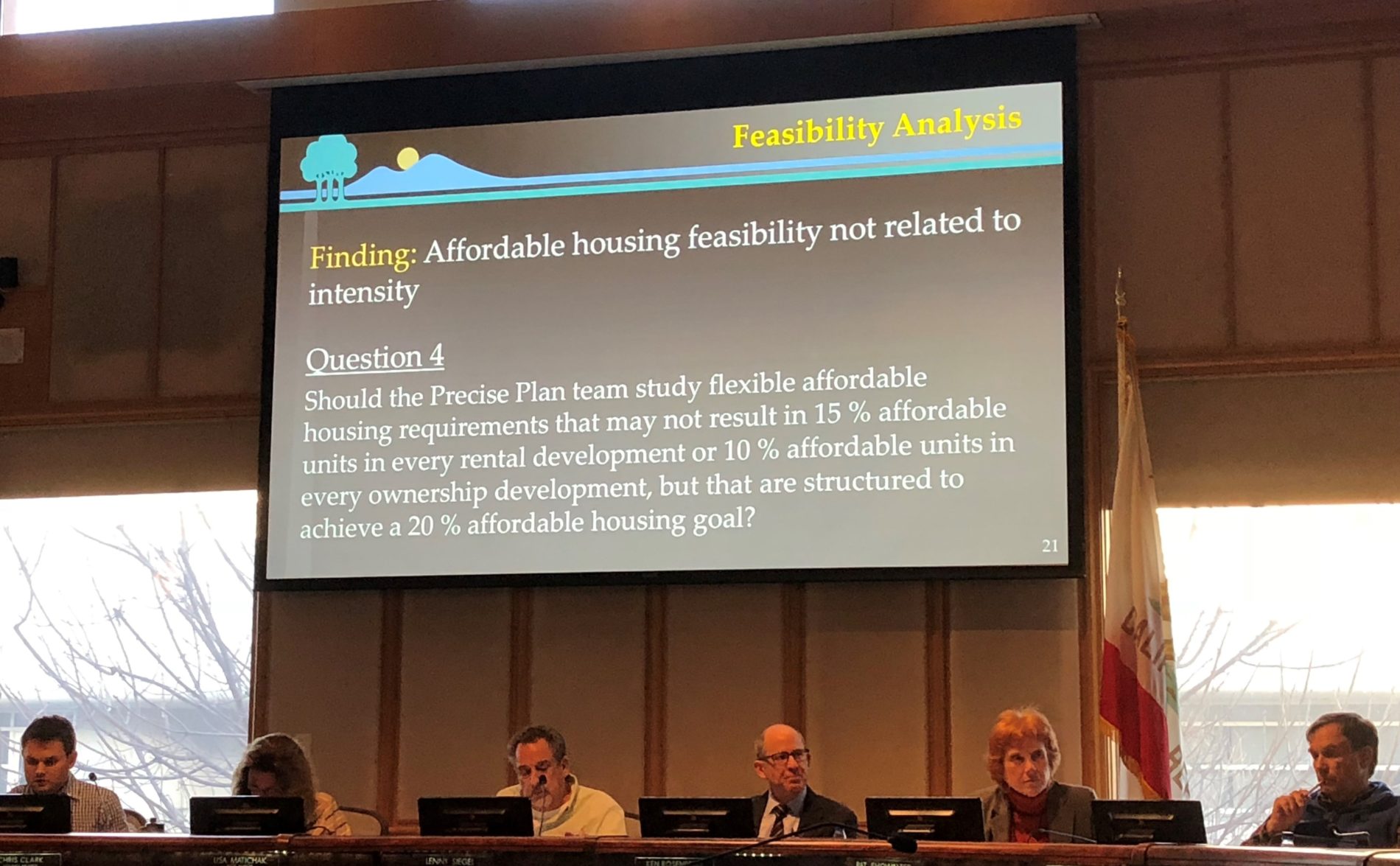
In a win for affordable housing in Mountain View, the City Council voted unanimously on February 13 to strengthen its Below Market Rate (BMR) Program for rental units—often referred to as inclusionary zoning. With this vote the council reactivated its rental program, increased the percentage requirement for affordable housing to 15%, modified the Rental In-Lieu […]
AB 1505 – What Now For Impact Fees?
One of the interesting outcomes of the State housing package is the impact it may have on Housing Impact Fees (HIF)—tools that cities have recently adopted to finance affordable housing development. After the case known simply as “Palmer” was decided, cities had to abandon their residential rental inclusionary housing policies—policies that required that developers of […]
